
Contextualized Qualitative Research Ethical Framework
I have engaged in diverse research endeavors to provide practical solutions and mitigate issues affecting communities. In 2026, together with a group of colleagues, we undertook a sensitive and socially complex study to understand a phenomenon that has cost individuals their lives, divided families, and ignited conflicts within churches—dual allegiance. This phenomenon examines why individuals who claim to believe in God simultaneously seek the intervention of sorcerers, diviners, and witch doctors.
A Unique Ethical Challenge
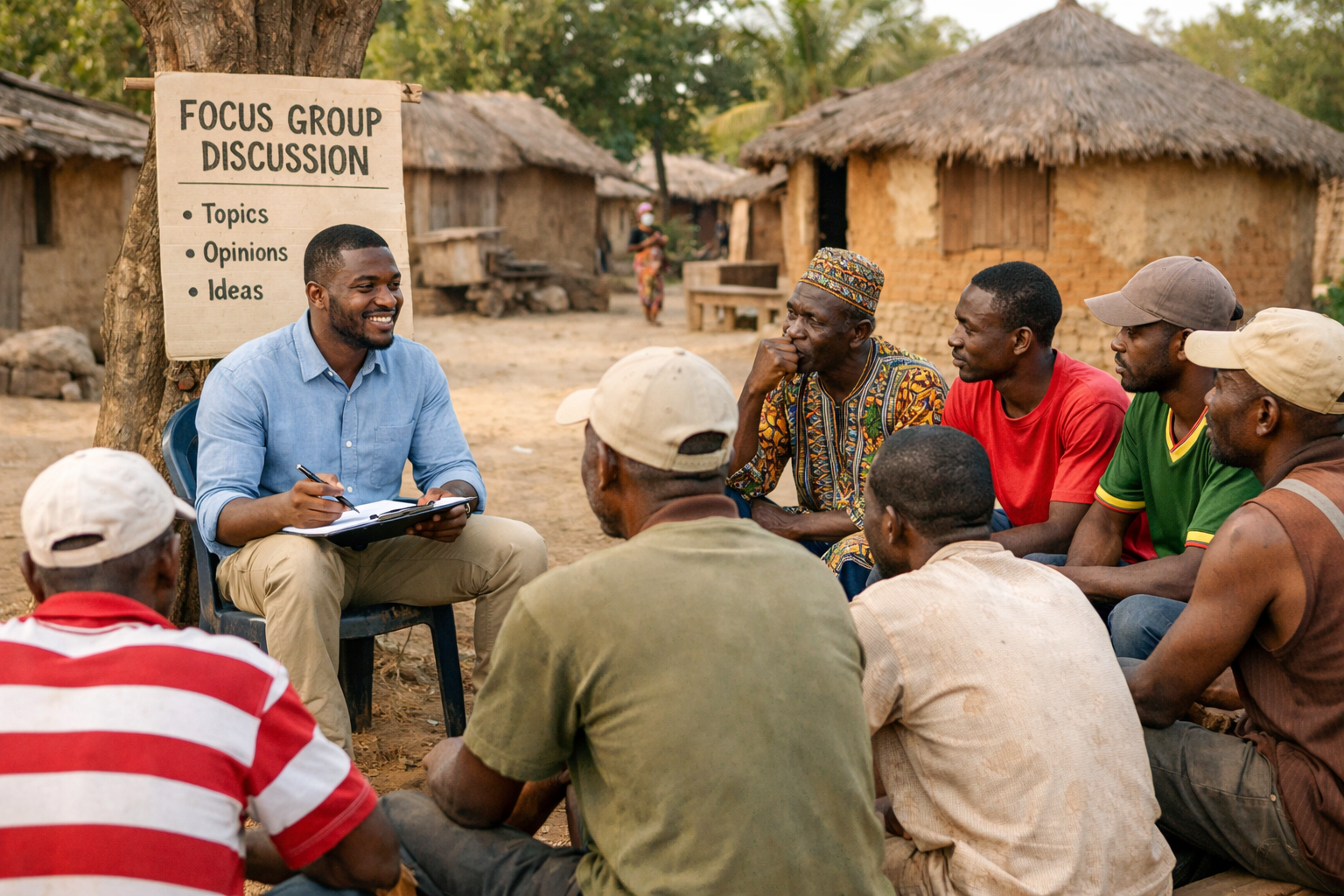
To achieve the research objectives, we employed purposive and snowball sampling techniques to identify and select participants with relevant knowledge and lived experiences. During the data collection phase, an unexpected ethical and methodological dilemma emerged. Traditional leaders—originally invited for individual interviews—chose to attend and respond as a group. Their collective approach, rooted in cultural practice and respect for communal wisdom, challenged conventional expectations of individual confidentiality and anonymity in qualitative research.
This situation prompted deep ethical reflection. Many qualitative researchers might contend that obtaining group responses under such conditions violates the principles of anonymity and confidentiality. According to Christensen et al. (2015), anonymity refers to “keeping the identity of the research participant unknown” (p.135). Similarly, confidentiality involves a mutual agreement between the participant and the researcher regarding how personal data will be handled, stored, and disseminated.
Contextualized Ethical Application
However, in contextualized qualitative research, especially within African settings, ethical practice cannot be understood through a rigid Western framework. Ethical considerations must integrate cultural norms, collective identity, and communal decision-making processes. Instead of viewing group participation as an ethical breach, researchers should recognize it as an expression of indigenous epistemologies, in which knowledge is co-owned, shared, and collectively protected.
Thus, the ethical framework must evolve from a universalist model to a context-sensitive approach that harmonizes respect for cultural values with international research standards. Researchers must ensure informed consent at both individual and collective levels, clarify the limits of confidentiality within group contexts, and provide transparent documentation of cultural justifications.
Ultimately, contextualized ethics acknowledges that protecting participants extends beyond individual privacy. It encompasses honoring communal integrity, respecting cultural meanings, and preserving social relationships that shape the production and transmission of knowledge across diverse cultural landscapes.
Edivaldo Abel
Chair, QLRC Marketing and Communication
Reference
Christensen, L. B., Johnson, R. B., & Turner, L. A. (2015). Research methods, design, and analysis (12th ed.). Pearson Education Limited.






Amusing phenomenon. How can one obtain collective consent without violating confidentiality and anonymity?
This trickles to the main subject. Is dual allegiance an individual practice or it cam also be a collective issue.
I cant wait for the findings.
This really needs to be addressed from the research context. It varies from culture to culture. Use the best practices of the culture where you are conducting the study.
Very good i like it